The Ultimate Baby Sleep Sack TOG Guide: Decoding Sleep Without the Stress (2026 Edition)
It’s 3 AM. The house is silent, except for the hum of the baby monitor and the frantic thoughts racing through your mind. You creep into the nursery for the seventh time, hand hovering over your baby’s chest, asking the eternal question: “Are they too hot? Too cold? Are they… breathing?”
Welcome to the club. This middle-of-the-night temperature check is a rite of passage for every new parent. You’re handed a tiny, precious human who can’t tell you if they’re comfortable, and you’re expected to become a master of thermodynamics overnight. The fear of getting it wrong is real, fuelled by exhaustion and an overwhelming desire to keep your little one safe.
That’s where the TOG rating comes in. It sounds technical, maybe even a little intimidating, but we promise it’s the simplest tool you’ll ever use to reclaim your peace of mind. This guide is designed to demystify the numbers, cut through the confusion, and give you a clear, no-brainer plan for dressing your baby for safe and comfortable sleep, no matter what the famously unpredictable Aussie weather throws at you.
Disclaimer: While we can't guarantee a magical 12 hours of uninterrupted sleep (we’re parents, not miracle workers), we can help you create a safer, more comfortable sleep environment. And that’s one less thing to worry about at 3 AM.
Table of Contents
-
What on Earth is a TOG Rating? (And Why Every Aussie Parent Needs to Know)
-
The Baby Loves Sleep TOG Chart: Matching Warmth to Your Nursery
-
Beyond the TOG: Choosing the Right Sack for Your Baby’s Milestone
What on Earth is a TOG Rating? (And Why Every Aussie Parent Needs to Know)
Let’s get the jargon out of the way first. TOG stands for Thermal Overall Grade. In simple terms, it’s a standardised measurement of how much warmth a fabric provides. Think of it like the ‘warmth rating’ on a doona, but specifically designed for the delicate science of baby sleepwear.
Why do we need a special rating system? Because babies, especially newborns, are notoriously bad at regulating their own body temperature. Unlike us, they can’t just kick off the blankets or pull them up when they feel a chill. They rely entirely on us to create the perfect little sleep cocoon for them. The golden rule is beautifully simple: the higher the TOG number, the warmer the sleep sack.
At its core, a TOG rating is a safety tool designed to give you an accurate way to dress your baby for the temperature of their room, significantly reducing the risk of overheating.
Why TOG Matters for Safe Sleep and Peace of Mind
Understanding TOG isn’t just about comfort; it’s a critical part of infant sleep safety. Overheating is a known risk factor for Sudden Infant Death Syndrome (SIDS), and dressing your baby appropriately for their sleep environment is one of the key recommendations from safety organisations like Red Nose Australia. A sleep sack with the right TOG rating eliminates the need for dangerous loose blankets, sheets, or doonas in the cot, which can pose a suffocation hazard.
Beyond the crucial safety aspect, getting the temperature right is your secret weapon for achieving longer stretches of sleep. A baby who is too hot or too cold will be fussy and wake frequently. By matching the TOG to the nursery temperature, you help them stay in a deep, restorative sleep for longer. It allows you to move past the unreliable ‘hand on the forehead’ test and rely on a proven system instead of guesswork.
The 'Too Hot vs. Too Cold' Dilemma
So, how do you know if you’ve got it right? Your baby will give you clues, but it’s important to know which ones to pay attention to. The old 'feel their hands and feet' trick is misleading, as a baby’s circulation can make their extremities feel cool even when their core is perfectly warm.
Signs your baby might be overheating:
-
Their neck or back feels sweaty
-
Their hair is damp
-
They have red, flushed cheeks
-
They have a heat rash
-
They are breathing rapidly
Signs your baby might be a bit chilly:
- Their chest, tummy, or back feels cool to the touch.
When in doubt, always remember the golden rule of safe sleep: it is always safer for a baby to be slightly cool than too warm. A cooler baby might wake up for a cuddle, but an overheated baby is at a much higher risk.
The Baby Loves Sleep TOG Chart: Matching Warmth to Your Nursery
To make things wonderfully simple, we’ve organised our sleep sacks into three clear TOG ratings, designed specifically for the unique demands of the Australian climate. From sweltering summer heatwaves to crisp winter nights, there’s a straightforward solution.
Remember to base your choice on the temperature inside the nursery, not the weather forecast. We highly recommend using a simple room thermometer placed near the cot (but out of reach) and away from windows, heaters, or air conditioner vents to get an accurate reading.
It's also important to note that TOG ratings are a guide, not a strict law. Every house is built differently, and factors like insulation, draughts, and whether your baby naturally runs hot or cold can play a part. Use this chart as your reliable starting point and adjust as you get to know your little one’s needs.
| TOG Rating | Best For | Ideal Room Temperature |
|---|---|---|
| 0.4 TOG | Summer | 23°C and above |
| 0.7 TOG | Spring / Autumn (The All-Rounder) | 18°C - 22°C |
| 2.5 TOG | Winter | Below 18°C |
Summer Sleep: Navigating the 0.4 TOG Range
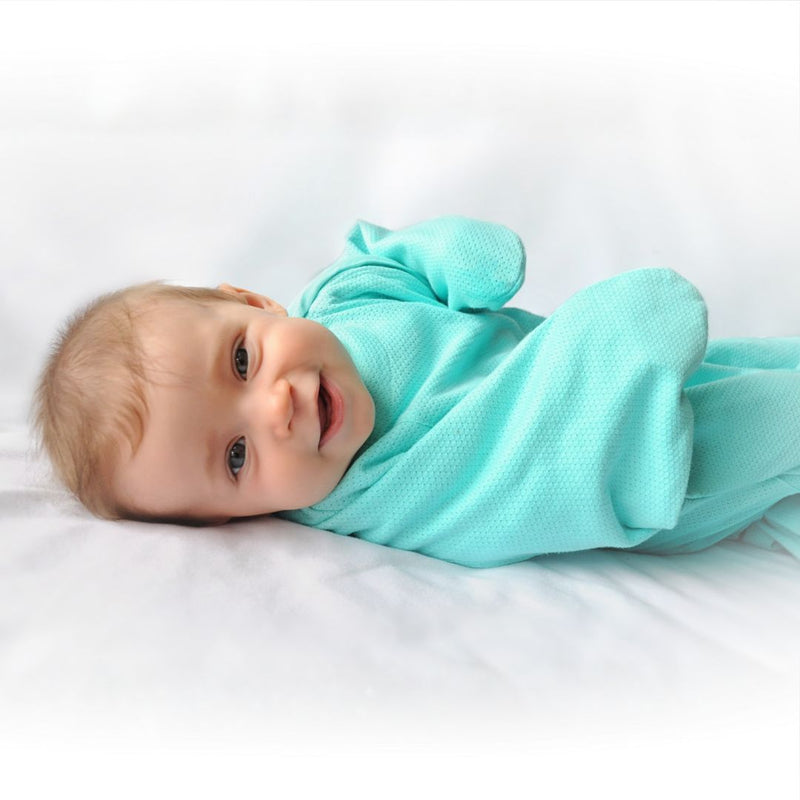
Those sticky, humid summer nights can be a real challenge for baby sleep. A lightweight 0.4 TOG sleep sack is your best friend when the mercury rises above 23°C. Made from a single layer of breathable fabric specially constructed with tiny air holes, it provides the comforting sensation of being swaddled or tucked in without adding unnecessary warmth. We choose to use premium organic cotton in our sleepwear because it’s naturally soft, hypoallergenic, and brilliant at wicking moisture away from the skin, preventing that clammy feeling that can lead to wake-ups. For newborns, our Koala Hugs Newborn Swaddle in a light TOG is designed specifically to encourage air circulation while still providing that secure, womb-like feeling they crave.
Winter Warmth: When to Reach for the 2.5 TOG
When you’re reaching for your Ugg boots and a fluffy dressing gown, it’s time to bring out the 2.5 TOG sleep sack. Designed for nurseries with a temperature below 18°C, this rating provides substantial warmth, effectively replacing all blankets. It’s the safest way to keep your baby snug and cosy, ensuring there’s nothing loose in the cot that could cover their face. The organic cotton fabric is cleverly designed to trap body heat, creating a warm pocket of air around your baby while still allowing their skin to breathe. This is particularly important for managing the dreaded 4 AM temperature drop, when the house is at its coldest and little bodies are most likely to feel the chill and wake up.

The Art of Layering: What to Wear Under a Sleep Sack
The sleep sack is your outer layer, but what goes underneath is just as important. Think of it as the 'base layer' of your baby’s sleep-time outfit. The 'Singlet and Suit' strategy is the foundation of every Aussie baby's bedtime wardrobe, and getting it right is the key to mastering the TOG system.
Our organic cotton layers are perfect for this, as they are gentle on sensitive skin and help regulate temperature without causing irritation. Here’s a simple breakdown:
-
For warm rooms (23°C+): Pair a 0.4 TOG sack with just a nappy or a very light, short-sleeve cotton singlet.
-
For mild rooms (18-22°C): A 0.7 TOG sack works beautifully with a short-sleeve or long-sleeve cotton bodysuit or romper.
-
For cool rooms (Below 18°C): Your 2.5 TOG sack should be layered over a long-sleeve cotton bodysuit and/or a full-length onesie (pyjamas).
Mastering the 'Nappy-Only' Summer Look
On those truly scorching nights when even the thought of clothes makes you sweat, dressing your baby in just a nappy under their 0.4 TOG sleep sack is perfectly acceptable and often necessary. The sleep sack still provides the comfort and security of their sleep routine, signalling that it's time to rest, but without adding any significant heat. When your baby is wearing so little, it’s crucial that the sleep sack material is exceptionally soft and breathable to prevent any irritation against their bare skin, another reason we are so passionate about using only the highest quality organic cotton.
Winter Layering: Adding Warmth Safely
In winter, a long-sleeve cotton bodysuit is the ideal base layer under a 2.5 TOG sack. It provides an extra layer of insulation for their arms, which are not covered by the main body of the sack. While it’s tempting to add extra layers, it’s vital to avoid anything that could lead to overheating. This is why safety experts strongly advise against ever putting a baby to sleep with a hat, beanie, or hood on, even in the coldest weather. Babies release heat through their heads to regulate their temperature, and covering their head can quickly cause them to become dangerously hot. The 'Goldilocks' zone for a winter nursery is a room temperature between 18°C and 20°C, a level that is comfortable and safe when paired with the right TOG and layering.
Beyond the TOG: Choosing the Right Sack for Your Baby’s Milestone
While the TOG rating is your guide to warmth, the style of sleep sack you choose is just as important for safe and settled sleep. A baby’s needs change dramatically as they grow, and their sleepwear should adapt to support their new developmental milestones. TOG is the 'what', but their stage of development is the 'how'.
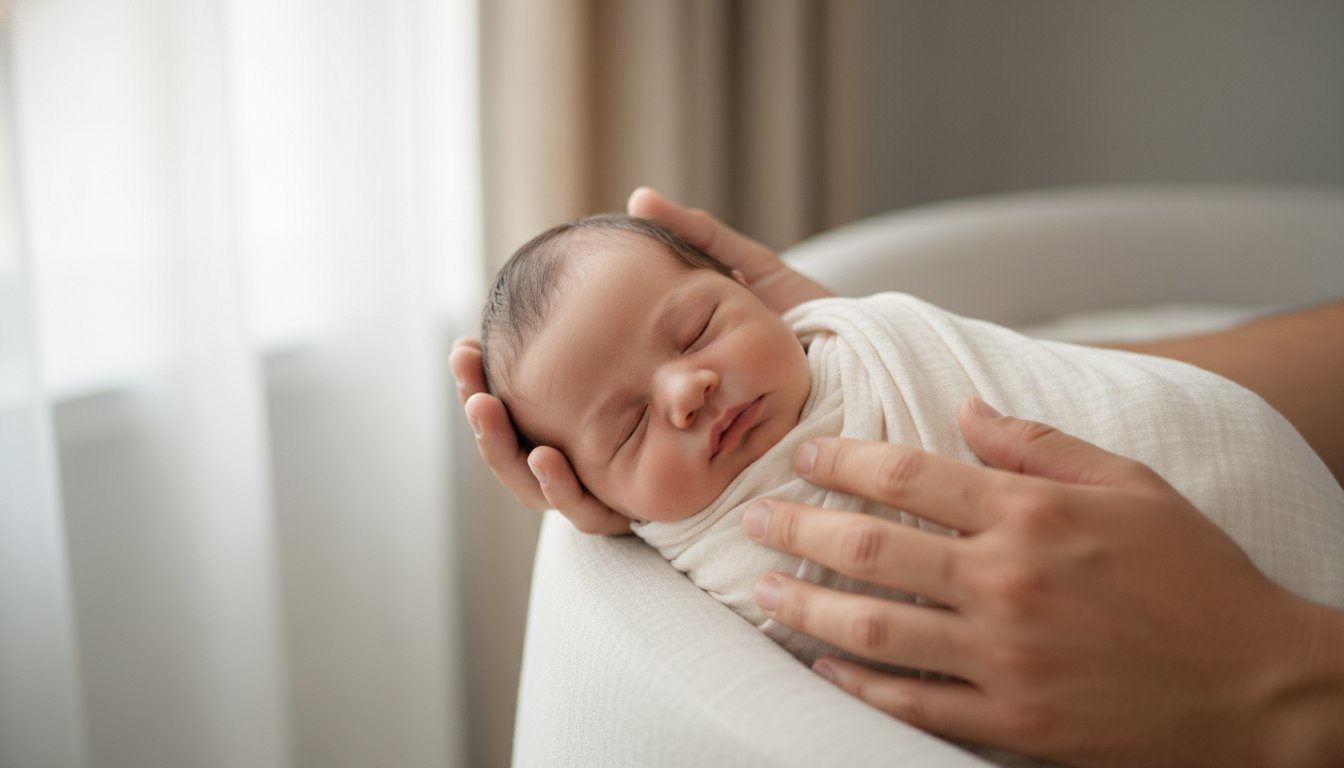
For newborns, the powerful Moro reflex (or startle reflex) can cause them to jerk awake. A snug-fitting swaddle wrap like our Koala Hugs is designed to contain this reflex, helping them feel secure and sleep for longer. But once your baby starts showing signs of rolling, it’s time to transition. This is often a period of parental panic, but a gentle swaddle transition to a sleep sack that allows freedom of movement in the arms is essential for their safety. For active toddlers who are standing or attempting to climb, a sleep suit with legs provides the freedom they need to move safely.
The Sleepy Hugs: Our Secret Weapon for Swaddle Transitions
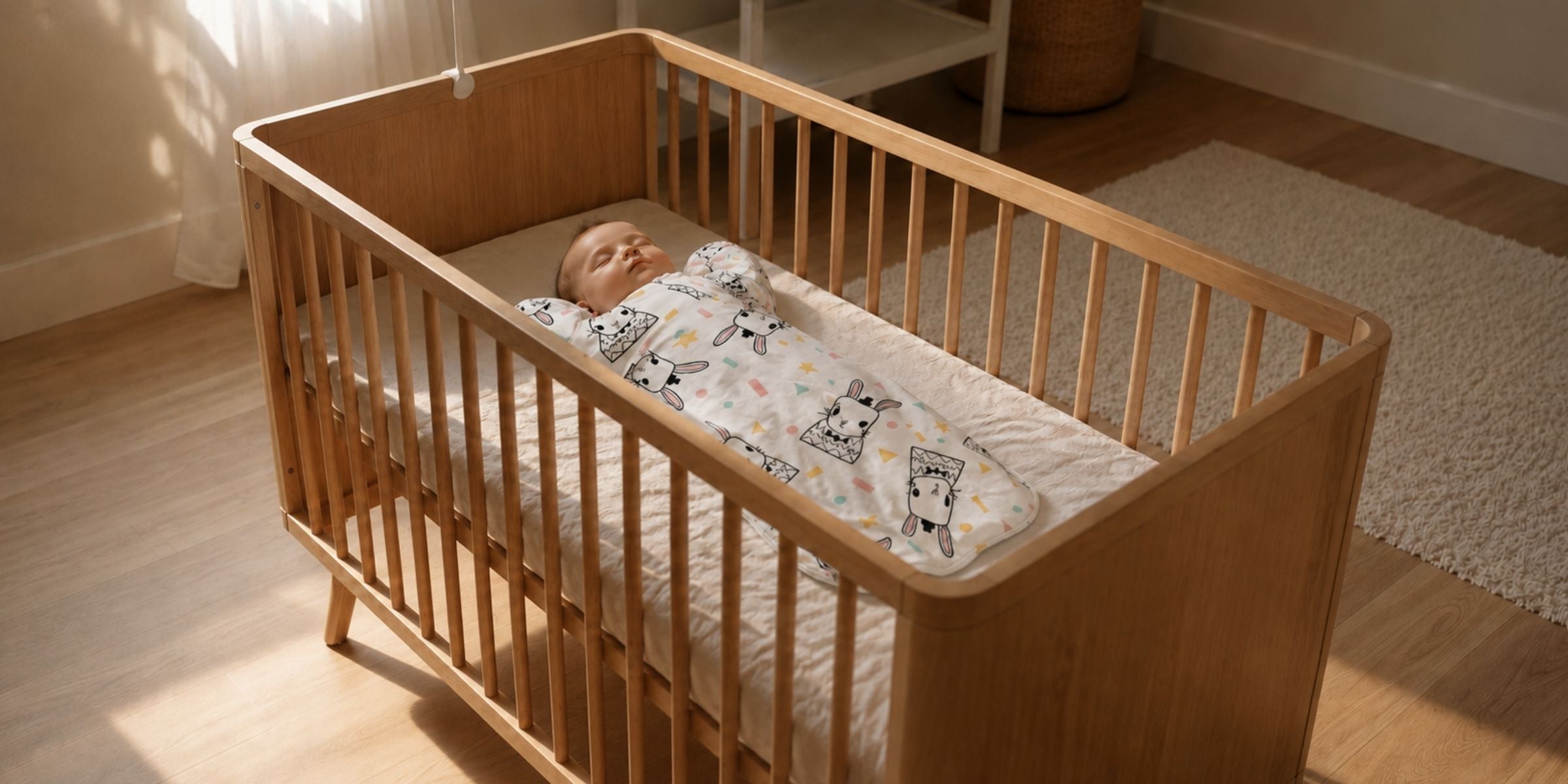
The swaddle transition can be one of the most dreaded milestones, often leading to sleepless nights for the whole family. This is exactly why we designed the Sleepy Hugs transition sack. Its unique, bell-shaped design gives your baby just enough room to move their arms freely and reposition themselves safely if they roll onto their tummy, while still providing a slight restriction that calms the remainder of the startle reflex. It’s the perfect halfway house between a snug swaddle and the total freedom of a regular sleep sack, ensuring you can manage this tricky period without losing your mind (or your sleep).
Active Babies and the 'Hands Out' Phase
As your baby grows into a curious and mobile toddler, their sleep needs evolve again. They may want their hands free to self-soothe, hold a comforter, or simply find a comfortable position. Our Stage 3 Growth & Discovery sacks are designed for this phase, with flexible 'hands in and out' options. This versatility is a lifesaver for little ones who are developing their independence. Maintaining a consistent bedtime routine is also key during this stage; pairing their sleep sack with a familiar cue like a special bedtime story can signal that it’s time to wind down, even when their busy little mind wants to keep exploring.
Frequently Asked Questions
What TOG should a baby wear in 22 degrees? A room temperature of 22°C falls perfectly into our Spring/Autumn range. We recommend our versatile 0.7 TOG sleep sack, layered with either a short-sleeve or long-sleeve cotton bodysuit depending on whether your baby tends to run hot or cold.
Can my baby wear a sleep sack and a blanket together? No. According to Red Nose Australia and other international safe sleep experts, you should never use a sleep sack with a blanket, doona, or any other loose bedding in the cot. The sleep sack is designed to provide all the warmth your baby needs, and adding blankets creates a serious risk of overheating and suffocation.
How many sleep sacks do I actually need for an Australian winter? We always recommend having at least two. Babies are masters of the middle-of-the-night nappy leak or spit-up incident. Having a spare 2.5 TOG sack on hand means you can do a quick change without a laundry-related meltdown at 2 AM.
Is a 2.5 TOG too hot for a baby in a room with the heater on? It depends entirely on the actual temperature of the room, not just the fact that the heater is on. If your heater keeps the room consistently above 22°C, then a 2.5 TOG sack is likely too warm. In that case, a 0.7 TOG with a long-sleeve onesie underneath would be a safer and more comfortable option. Always check your baby by feeling their neck, chest and tummy don't just trust your room thermometer and your assumptions.
My baby’s hands feel freezing — should I put on a higher TOG sack? Resist the urge! A baby's hands and feet have immature circulation and will almost always feel cooler than their core. This is not an accurate indicator of their overall body temperature. To get a true reading, gently place your hand on their chest, back, or tummy. If it feels comfortably warm, they are perfectly fine.
What is the best TOG for a newborn in spring or autumn? For the moderate temperatures of spring and autumn (typically 18-22°C), the 0.7 TOG is the ideal choice for a newborn. It provides a light layer of warmth and comfort without being too heavy, making it the perfect all-rounder for those in-between seasons.
Your Guide to Peace of Mind
Navigating the world of baby sleep can feel like a high-stakes guessing game, but it doesn’t have to. Understanding TOG ratings transforms you from a worried guesser into a confident parent. It’s not a complex formula to be memorised; it’s a simple, reliable tool that empowers you to keep your baby safe, comfortable, and sleeping soundly.
By matching the right TOG to your nursery’s temperature and the right style of sack to your baby’s developmental stage, you’re creating the perfect environment for restorative rest—for both of you.
-
Designed by an Australian mum who’s been in your (tired) shoes
-
Premium organic cotton for sensitive Aussie skin
-
Trusted by thousands of families for safe sleep transitions
Find the perfect TOG for your baby’s next sleep — Shop our organic range here
Article researched and written by Malou Villarreal, Founder Baby Loves Sleep and INPAA Baby Safety Ambassador.