The 4-Month Sleep Regression: A Survival Guide for Exhausted Australian Parents
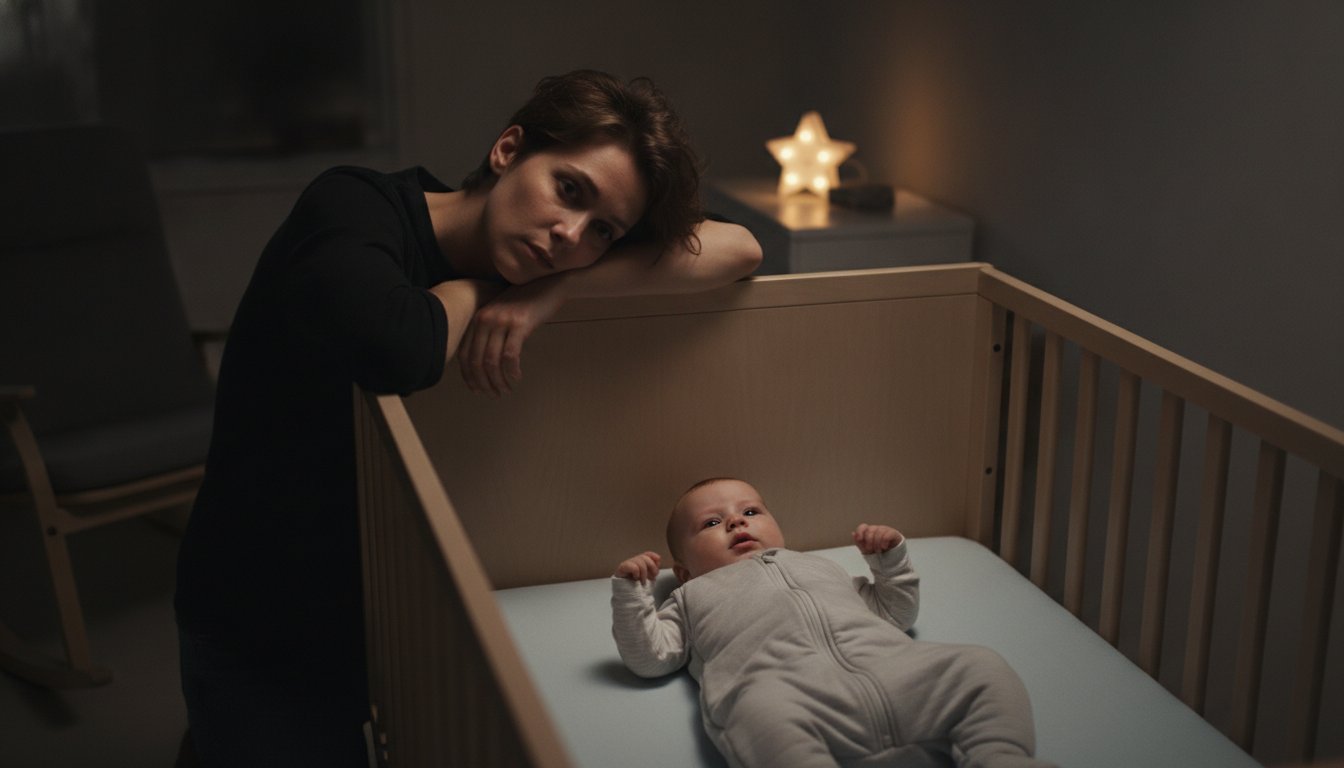
It’s 3:00 AM, you’re on your fourth cup of lukewarm tea, and you’re staring at your baby wondering if you accidentally hit a factory reset button. You’re exhausted, confused, and probably wondering why the sleep habits that worked last week have suddenly vanished into thin air. The 4 month sleep regression isn't actually a step backwards, even if it feels like your household is running on fumes and desperate prayers. It's actually a permanent neurological upgrade where your baby’s sleep cycles mature to be more like an adult’s, leading to more frequent waking as they learn to navigate lighter sleep stages.
We understand the sheer physical toll of this phase, and we're here to help you move from survival mode back to a full night's rest. This guide will explain the science behind the wakeups and provide a clear plan to get you more than two hours of shut-eye at a time. We will also walk you through the critical transition from swaddling to arms-free sleep, ensuring you meet the latest Australian baby safety standards while keeping your little one feeling secure. By the end, you'll have the confidence to handle this milestone with a Sleepy Hugs Transition Sleep Sack and a much better understanding of your baby's growth.
Key Takeaways
- Understand why the 4 month sleep regression is actually a massive neurological leap that permanently changes how your baby processes sleep cycles.
- Learn to spot the hallmark signs of this transition, from the sudden 45-minute wake-ups to those cheeky 30-minute catnaps that leave you feeling like a zombie.
- Discover practical ways to optimise your bub's sleep environment using white noise and darkness to help them link their new, adult-like sleep stages.
- Find out why it’s time to ditch the swaddle once your little one starts rolling and how to manage the transition safely without resorting to "cold turkey" chaos.
- Get a realistic plan for the "drowsy but awake" technique to help your baby settle themselves back to sleep for longer, more restorative stretches.
Table of Contents
-
The "Great Sleep Upgrade": What is the 4-Month Sleep Regression?
-
Is it the Regression or Just a Rough Night? Spotting the Signs
-
Survival Strategies: How to Organise Your Sanity and Their Sleep
The "Great Sleep Upgrade": What is the 4-Month Sleep Regression?
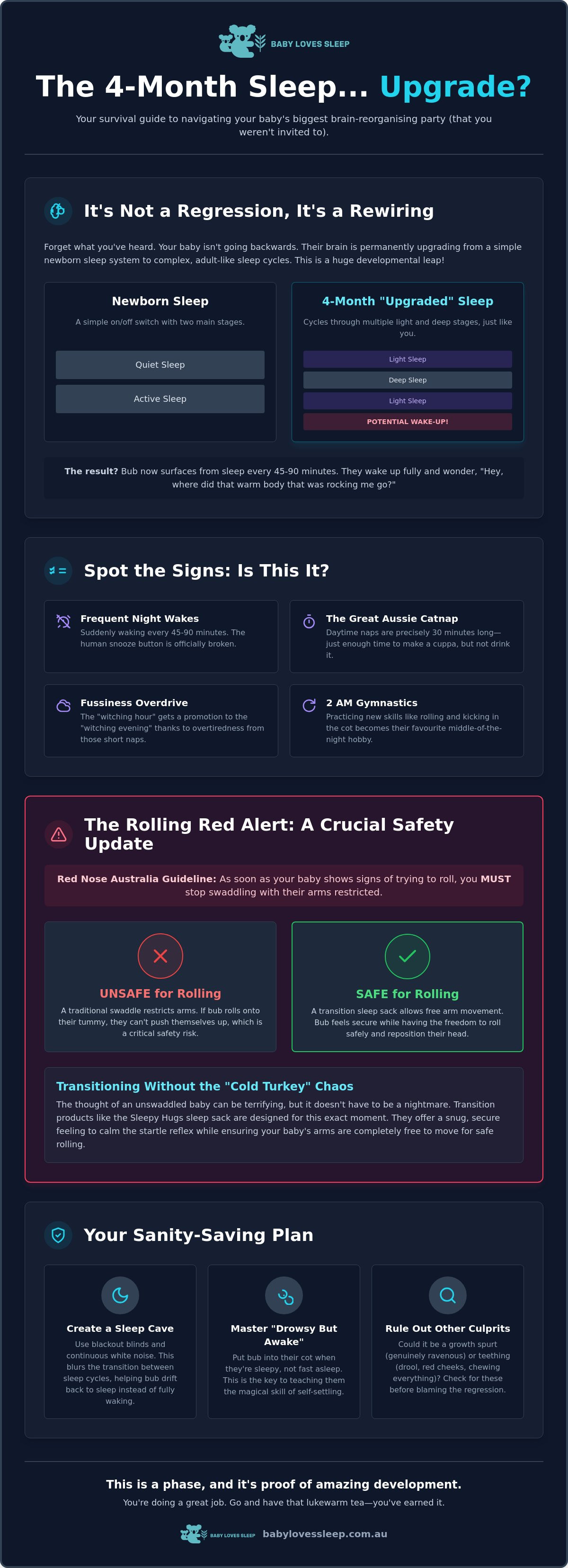
If you feel like a total zombie, it's because your bub’s brain just downloaded a massive software update. While the term 4 month sleep regression sounds like a step backward, it's actually the opposite. It is a permanent leap in brain development. Your baby isn't losing skills; they are gaining a more complex way of sleeping. This change is permanent, which is why those old tricks like rocking to sleep or the "ninja transfer" to the cot suddenly stop working. Their brain has simply outgrown the newborn "on/off" switch.
The Science of Sleep Cycles (Without the PhD)
Newborns generally have two modes: active sleep and quiet sleep. Around the four-month mark, their biological clock undergoes a massive shift as they transition into adult-like sleep stages. Instead of staying in a deep, milk-induced coma, they now cycle through light and deep sleep every 45 minutes or so. When they hit that light sleep phase at the end of a cycle, they often wake up fully and look for the exact same conditions they had when they fell asleep. To make matters more interesting, the Moro reflex might still be hanging around. This can cause a cheeky startle that jolts them awake just as they are trying to link their sleep cycles together.
Why 4 Months? The Perfect Storm of Milestones
It is not just the brain changing; it is a perfect storm of physical and mental milestones. Bub is likely hitting a significant growth spurt and becoming much more aware of their surroundings. They are suddenly "awake to the world" and find everything from a dust mote to a floorboard creak far too interesting to sleep through. If you are currently looking back at the best swaddles for newborns and wondering where those peaceful nights went, remember that this curiosity is a sign of a healthy, thriving baby. They are learning to roll, reach, and interact, which means their little bodies are often too busy practicing new moves to settle down easily. It is a chaotic time, but it is also proof that your little one is growing exactly as they should.
Is it the Regression or Just a Rough Night? Spotting the Signs
One day you've finally mastered the "ninja transfer" to the cot, and the next, your baby is waking up every 45 to 90 minutes like a tiny, adorable alarm clock with no snooze button. This sudden shift is the most obvious sign of the 4 month sleep regression. It usually happens because bub is struggling to link those new sleep cycles we mentioned earlier. You might also notice the "Great Australian Catnap" becoming a thing, where daytime naps rarely last longer than 30 minutes, leaving everyone in the house feeling a bit frazzled. If you're wondering where your "good sleeper" went, don't worry. They're still in there, they're just busy reorganising their brain.
You’ll likely see increased fussiness as the sun goes down. This "witching hour" on steroids happens because bub is overtired from those short naps. They might also spend their night-time wake-ups practicing their new physical skills, like kicking the cot bars or trying to shimmy across the mattress. It's as if they've decided that 2:00 AM is the perfect time to train for a marathon.
The "Rolling" Red Alert
If you see your little one attempting to roll during tummy time, it’s a major red alert for their sleep setup. According to Red Nose Australia safety guidelines, as soon as a baby shows signs of rolling, you must stop swaddling with arms restricted. It is a critical safety issue; they need their arms free to push themselves up or reposition their head if they flip onto their tummy. Seeing that first roll changes the sleep game forever. It marks the end of the "stationary bundle" phase and the start of the "active sleeper" era. If the thought of an unswaddled baby makes you break into a cold sweat, learning about gentle swaddle transitioning can help you navigate this change safely.
Distinguishing Regression from Hunger or Teething
How do you know if it's a developmental leap or just a hungry belly? If bub is suddenly ravenous and draining their bottles or nursing for much longer, you might be dealing with a standard growth spurt. Teething usually comes with its own "gifts" like excessive drool, red cheeks, and a desire to gnaw on everything in sight. However, if they wake up in the middle of the night looking bright-eyed and ready to party, it’s likely those changes in sleep patterns at work. Rest assured, it’s not your parenting or a "bad habit" you've created. It's just biology doing its thing, and it's a sign that your baby is hitting their milestones right on cue.
Survival Strategies: How to Organise Your Sanity and Their Sleep
Surviving the 4 month sleep regression requires a mix of tactical precision and a very large jar of instant coffee. Since your baby’s brain has upgraded its sleep architecture, your old "rock until they pass out" method is likely failing you. The first step toward reclaiming your nights is the "drowsy but awake" technique. This is admittedly harder than it sounds; it is the art of putting bub down when they are calm but still aware of their surroundings. This helps them learn to settle without needing you to do the heavy lifting when they wake between cycles at 2:00 AM.
Creating a Sleep Sanctuary
A 4-month-old is suddenly very interested in the world, which means their bedroom needs to be a boring cave. Total darkness is vital for melatonin production, while white noise acts as a sonic barrier against barking dogs or the doorbell. Given our harsh climate, choosing breathable organic cotton sleep sacks is a game-changer. These natural fibres help regulate temperature during an Australian summer, preventing the overheating that leads to even more wake-ups. Ensuring your baby is comfortable and safe is the foundation of better rest for everyone.
The Power of the Routine
Consistency is your best friend right now. A simple, predictable rhythm like bath, feed, and a story signals to bub’s new brain that sleep is coming. Reading Koko’s Missing Blankie together is a lovely way to lower the energy in the room before lights out. Even when you’re tempted to give up during a rough night, sticking to the plan provides the security your baby needs to navigate this leap. If you're ready to help your baby settle more easily, explore our range of gentle sleep solutions designed for this exact milestone.
Don't forget to give them plenty of floor time during the day to practice rolling and kicking. If they master these skills while the sun is up, they are less likely to treat their cot like a gymnasium at midnight. As you prepare for The Swaddle Transition, remember to be kind to yourself. Manage your own energy by asking for help or grabbing a nap when the arvo allows. This phase is intense, but with a solid environment and a bit of patience, you will get through it.
The Swaddle Transition: Safe Sleep for a Moving Baby
The 4 month sleep regression often hits at the exact same time your baby decides to start their gymnastics career. As we mentioned earlier, once bub shows signs of rolling, the traditional swaddle has to go for safety reasons. But going "cold turkey" is often a recipe for a sleepless disaster. When you suddenly remove that snug feeling, the startle reflex often wins the battle, resulting in a very awake baby and a very frustrated parent. This is where gentle swaddle transitioning becomes your best strategy to keep everyone sane while following baby safety standards.
Why Sleepy Hugs is the Regression Game-Changer
The Sleepy Hugs Transition Sleep Sack is designed for this specific developmental hurdle. It features a unique, wide-winged design that allows your baby to move their arms freely. This means if they do roll over, they can use their arms to push up or reposition themselves safely, which is a non-negotiable for safe sleep. However, the clever design still provides enough gentle resistance to dampen that pesky Moro reflex. It gives them the "hug" they crave without the dangerous restriction of a traditional wrap. For babies who are already becoming little explorers, our Stage 3 Growth & Discovery collection offers the perfect balance of security and movement.
Hands In or Hands Out?
Deciding when to give your baby total arm freedom can feel like a high-stakes guessing game. The Hands In & Out Flexible Sleep Sack is a brilliant solution for this "in-between" stage. It allows you to have their hands tucked away for sleep but gives you the option to pop them out as they become more confident or during playtime. You'll know they are ready for full freedom when they can easily settle themselves and aren't being woken by their own "jazz hands" movements in the middle of the night.
This phase is undeniably tough, and the sleep deprivation is real. Just remember that this permanent "upgrade" means your baby is growing and learning exactly as they should. Stick to your routines, choose the right gear for the transition, and try to catch a nap when you can. This too shall pass, and you’re doing a bloody great job navigating the 4 month sleep regression one night at a time.
Reclaiming Your Nights and Your Sanity
The 4 month sleep regression might feel like a never-ending cycle of lukewarm tea and midnight pacing, but it is actually a brilliant sign that your baby's brain is maturing exactly as it should. By understanding that this is a developmental progression rather than a step backward, you can focus on the foundations: a boringly dark sleep environment, a consistent routine, and the "drowsy but awake" settling technique. Most importantly, remember that as your bub starts to roll, safety becomes your top priority.
Our range was designed by a mum for mums who have been exactly where you are right now. We use premium organic cotton specifically chosen for Aussie conditions, ensuring your little one stays comfortable without overheating. Every Sleepy Hugs sack features a Red Nose safe sleep compliant design, giving you peace of mind while your baby learns to navigate their new sleep cycles. You don't have to face this transition alone or resort to "cold turkey" methods that leave the whole house exhausted.
Find the perfect transition sleep sack for your bub’s next milestone and start your journey back to better rest. You are doing a bloody great job, and remember, this phase is just a short, albeit tiring, chapter in your parenting story. Better sleep is just around the corner.
Frequently Asked Questions
How long does the 4-month sleep regression actually last?
The most intense phase of the 4 month sleep regression typically lasts between two to six weeks. While the biological shift in your baby’s sleep cycles is permanent, the frequent waking and general fussiness settle once they learn to navigate their new sleep stages. It is a bit like a software update; the initial download is chaotic, but once the system stabilises, a new sleep "normal" emerges for your household.
Do all babies go through a sleep regression at 4 months?
Almost every baby experiences this neurological shift, but the intensity varies significantly from one bub to the next. Some parents might only notice a few nights of restlessness, while others feel like they have been sent back to the newborn trenches for a month. Whether your little one is a "textbook" case or barely bats an eyelid, the underlying brain development is still happening right on schedule.
Should I start sleep training during the 4-month regression?
It is usually best to wait until the initial peak of the regression passes before starting any formal sleep training. Your baby is dealing with massive brain changes and often new physical milestones like rolling, which makes it a difficult time to learn complex new settling skills. Focus on gentle consistency and comfort for now, then look at more structured methods once the developmental storm has started to clear.
Is it safe to keep swaddling my 4-month-old if they aren’t rolling yet?
You can continue to swaddle if your baby shows absolutely no signs of rolling, but you must stop immediately at the first attempt. Because many babies start rolling during the 4 month sleep regression, many Australian parents choose to transition early to be safe. Moving to a Sleepy Hugs sack now avoids a "cold turkey" crisis if they suddenly flip over in the middle of the night.
How can I tell the difference between a sleep regression and a growth spurt?
A growth spurt is primarily driven by hunger, whereas a regression is defined by changes in sleep architecture and increased awareness. If your baby is draining their bottles and seems genuinely ravenous at every wakeup, it is likely a physical growth spurt. If they wake up bright-eyed and ready to play or practice their rolling at 3:00 AM, you are definitely in the regression zone.
What is the best sleep sack for a baby going through the 4-month regression?
The Sleepy Hugs Transition Sleep Sack is the ideal choice for this stage because it bridges the gap between a swaddle and a standard sleeping bag. It provides the secure "hug" feeling that calms the startle reflex while allowing the total arm freedom required by Red Nose safety standards. This unique balance helps bub settle more easily without the risks associated with restricted arms for rolling babies.