
Moro Reflex in Babies: A Parent’s Guide to Understanding and Managing the Startle Reflex
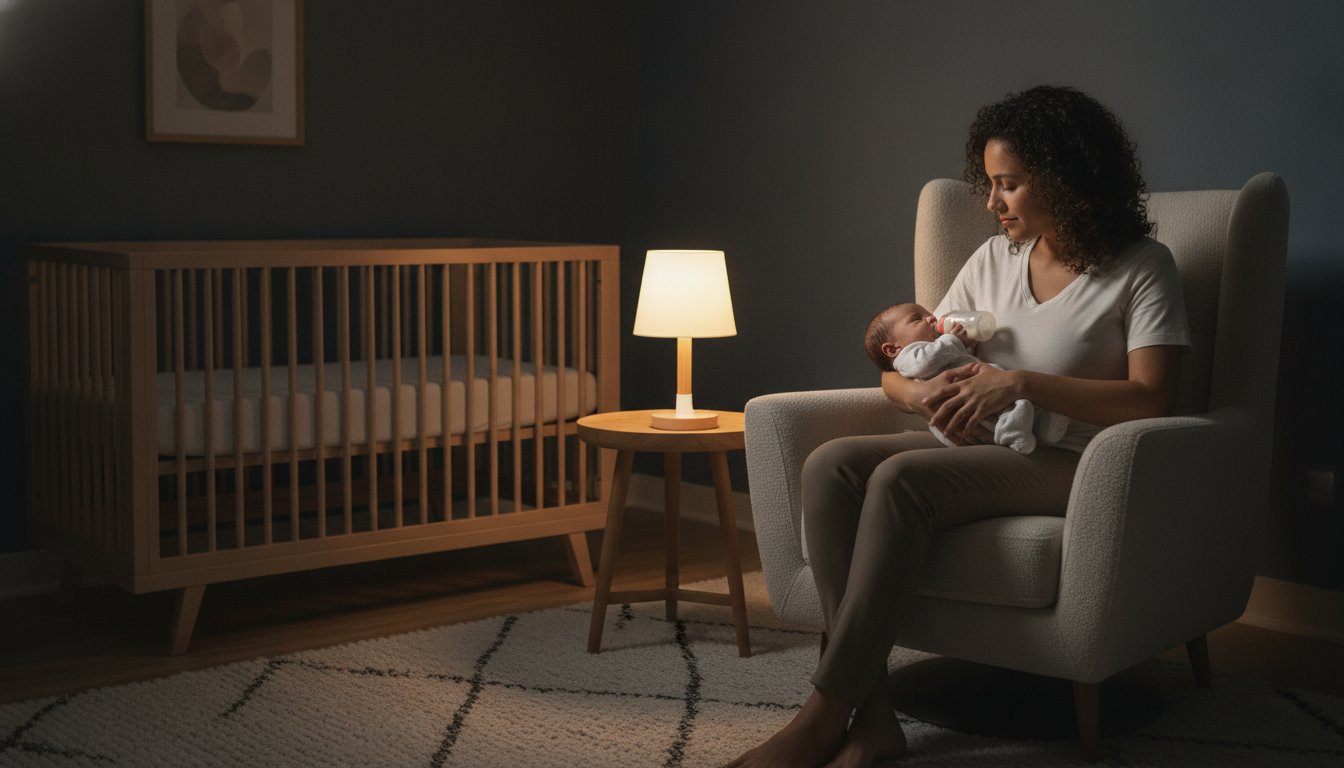
You’ve spent forty-five minutes gently rocking your bub to sleep, and you’re finally tiptoeing out of the nursery, holding your breath with every floorboard creak. Suddenly, your little one’s arms fling wide, their body jerks, and they’re wide awake and crying before you’ve even reached the door. It’s a frustrating cycle that leaves many parents feeling both exhausted and anxious about whether these sudden movements are normal. If you’ve felt that pang of worry while watching the moro reflex in babies startle your little one awake, you’re certainly not alone in this journey.
The good news is that this reflex is a perfectly healthy sign of a developing nervous system, even if it feels like the enemy of a good night’s sleep. This guide will help you understand exactly why this survival instinct happens and how you can manage it to reclaim those precious hours of rest for your family. We want to give you the confidence to navigate this phase with ease and practical tools that actually work for your household.
We’ll walk through the typical timeline for when this reflex begins to fade, which is usually between four and six months of age. You’ll also discover gentle, effective techniques to dampen the startle response, ensuring your bub feels secure and snug throughout the night. From understanding the mechanical "why" behind the jerk to mastering the transition to independent sleep, we’ve got the expert insights you need to restore harmony to your home.
Key Takeaways
- Understand why the moro reflex in babies is actually a positive sign of a healthy nervous system and a vital survival instinct.
- Master the 'Slow Descent' technique to settle your bub into their cot without triggering the involuntary 'falling' sensation.
- Learn how to ensure hip-healthy swaddling practices that protect your little one’s joints while providing the security they need to stay asleep.
- Recognise the exact developmental signs that signal it’s time to stop swaddling and how to transition safely once your bub begins to roll.
- Discover the calming power of skin-to-skin contact to help regulate your baby’s nervous system and settle them quickly after a startle.
Table of Contents
-
What is the Moro Reflex? Recognising Your Baby’s Startle Response
-
Managing the Moro Reflex: Practical Tips for Settling Your Bub
What is the Moro Reflex? Recognising Your Baby’s Startle Response
The Moro reflex is one of the very first things you’ll notice about your new bub. It is a primitive, involuntary motor response that is present right from birth. While those sudden, jerky movements can look a bit alarming to a sleep-deprived parent, they are actually a fantastic sign that your baby’s central nervous system is developing exactly as it should. It is a natural part of their growth, acting as a built-in alarm system for their tiny bodies.
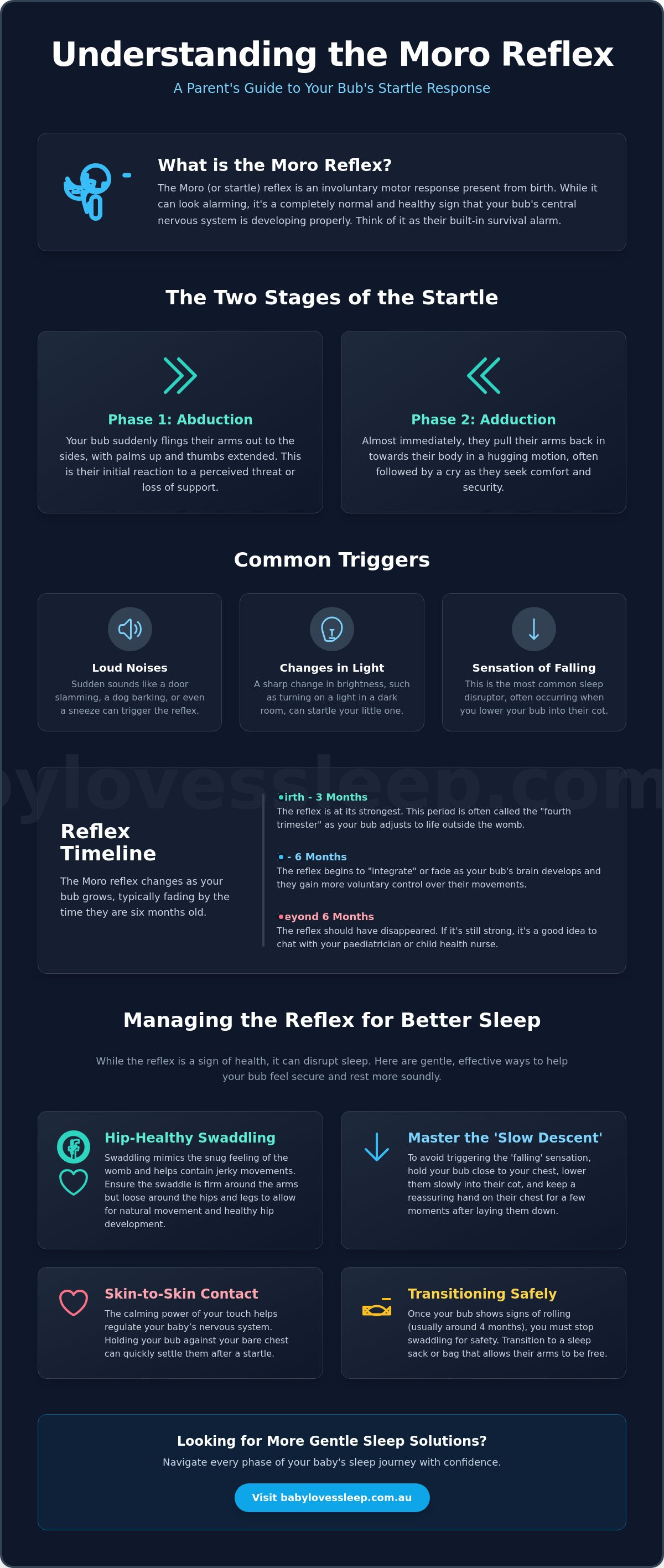
When the moro reflex in babies occurs, it happens in two very distinct stages. First, your bub will suddenly fling their arms out to the sides with palms up and thumbs out; this is known as abduction. Almost immediately after, they will draw their arms back toward their body in a protective, hugging motion, which is called adduction. You’ll often notice a sharp intake of breath or a sudden cry as they react to the sensation. It is important to distinguish this from an "infantile tremor," which is usually a rhythmic shaking of a limb. The Moro reflex is a quick, symmetrical startle followed by a recovery phase.
Common Triggers: What Sets Off the Startle?
Your bub’s nervous system is incredibly sensitive to the world around them. Sudden loud noises, like a door slamming or a dog barking, are classic triggers. Even a sharp change in light intensity can do the trick. However, the most common culprit for sleep disruption is the sensation of falling. This often happens during that high-stakes moment when you’re lowering your sleeping baby into their bassinet or cot. If their head shifts slightly or they feel unsupported for even a split second, the reflex kicks in. Their arms fly out, and suddenly, your hard-won quiet time is over.
The Moro Reflex Timeline: Birth to Six Months
You’ll find that the reflex is at its most intense during the first 12 weeks of life. During this "fourth trimester," your bub is still adjusting to life outside the womb where they no longer have the constant, snug boundaries they’re used to. Usually, the reflex begins to "integrate" or disappear between three and six months of age as their brain gains more control over their movements. If you notice the reflex is still very strong or persistent beyond the six-month mark, it’s a good idea to have a chat with your paediatrician or child health nurse. They can ensure your little one’s motor development is progressing on schedule.
The Science Behind the Startle: Why Do Babies Have It?
While it might feel like a cruel joke that your bub’s own body is waking them up, there is actually a fascinating evolutionary reason for these movements. Scientists believe the moro reflex in babies is an ancient survival mechanism passed down from our ancestors. In the wild, if a baby primate felt they were losing their grip on their mother, this reflex would cause them to reach out and cling to her fur instantly. It was literally a life-saving response designed to prevent a fall and maintain physical contact with a caregiver.
Beyond its history, seeing a strong Moro Reflex is a wonderful reassurance for parents. It confirms that your newborn’s central nervous system is firing correctly and that their brain is communicating effectively with their muscles. Essentially, the reflex acts as a biological alarm system that ensures the baby remains alert to their surroundings and any potential changes in their environment. While it is certainly a nuisance for sleep, it is a clear marker of a healthy, thriving little human with a responsive nervous system.
If you find that these startles are happening too frequently during nap time and disrupting your household harmony, you might want to explore gentle sleep solutions that provide that vital sense of security without restricting natural movement. Understanding the mechanical "why" behind the jump helps shift the perspective from frustration to appreciation for your bub's clever, protective body.
Moro Reflex vs. Startle Reflex: Is There a Difference?
It is common to hear these terms used interchangeably, but there is a slight clinical distinction. The Moro reflex is a "primitive" reflex, meaning it is hard-wired into the brainstem and occurs automatically in infants. As your bub grows and their nervous system matures, this involuntary response is replaced by the "adult" startle reflex. Unlike the dramatic arm-flinging of a newborn, the adult version is a much more controlled and rapid blink or shoulder shrug in response to a sudden noise. Over time, your baby’s brain learns to process these stimuli without the full-body reaction, leading to much calmer sleep cycles.
When to Consult Your Paediatrician
While the startle is usually nothing to worry about, there are a few specific instances where you should seek professional advice. If you notice an asymmetrical response, where only one arm moves or one side seems weaker than the other, it could indicate a physical injury or a nerve issue that needs a professional look. Similarly, the total absence of the reflex at birth is something doctors look for as a potential red flag for neurological health. Finally, if the reflex remains just as intense after your bub has reached six months, a quick developmental check-up can provide peace of mind and ensure everything is progressing as it should.
Managing the Moro Reflex: Practical Tips for Settling Your Bub
The "transfer to cot" is often the most nerve-wracking part of a parent's night. You’ve finally got your bub to sleep, but the moment you lower them down, those arms fly out and they’re wide awake. This happens because the sudden change in position and gravity triggers the sensation of falling. To combat this, try the "Slow Descent" technique. Start by lowering their bottom and legs first, keeping their head and chest tucked close to your own body for as long as possible. By maintaining that physical contact until their torso is fully supported by the mattress, you minimise the "falling" sensation that often triggers the moro reflex in babies.
If your little one does startle, skin-to-skin contact is one of the most effective ways to regulate their nervous system. The warmth and familiar scent of your skin help to lower their cortisol levels and provide immediate reassurance. According to the NeuroHealth Wellness, while this reflex is a normal sign of development, providing a sense of security is key to helping them settle back down. You can also use white noise to create a consistent auditory "blanket" that masks sudden environmental sounds, like a barking dog or a heavy footstep, which might otherwise cause a jump.
Hands-On Settling Techniques
Once your bub is in the cot, don't pull your hands away too quickly. Use the "hands-on" method by placing a firm, warm hand on their chest and another on their legs. This steady, gentle pressure mimics the feeling of being held and can stop a minor startle from escalating into a full wake-up. For some babies, side-settling while supervised can also reduce the intensity of the reflex. By creating a dark, calm, and womb-like environment in the nursery, you reduce the external triggers that keep their little nervous systems on high alert.
The Power of Swaddling (Done Right)
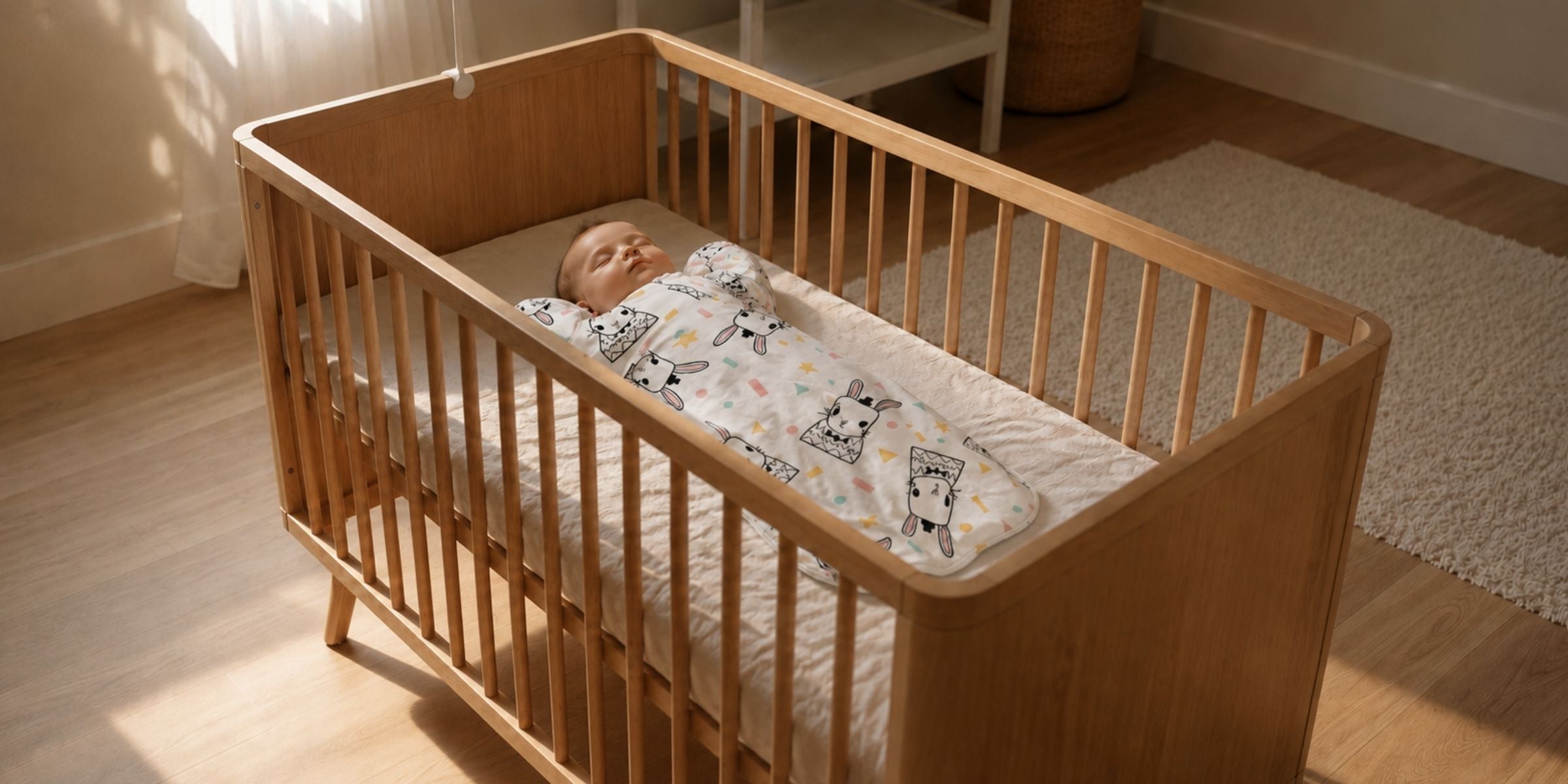
Swaddling is a time-tested way to manage the startle reflex because it physically prevents the arms from flinging outward. When a baby’s arms are contained, the reflex is dampened, and they are much less likely to wake themselves up. Many parents find that an "arms-up" position is more natural for their bub, as it allows for self-soothing while still providing that necessary boundary. The Koala Hugs Newborn Swaddle is a brilliant option for this stage. It provides gentle resistance that mimics the snug environment of the womb, giving your bub the security they crave without the need for restrictive, traditional wrapping. This thoughtful design helps bridge the gap between the womb and the world, ensuring everyone gets a bit more rest.
Swaddling and Hip Health: Addressing Parental Concerns
It is completely natural to feel a sense of conflict when trying to help your bub sleep. On one hand, you want to dampen the moro reflex in babies so they don't jump awake every ten minutes. On the other, you might have heard whispers of concern regarding swaddling and hip dysplasia. We want to reassure you that managing the startle reflex and protecting your baby’s hip development can go hand in hand. The key lies in understanding what "hip-healthy" swaddling actually looks like and ensuring your bub has the freedom to move where it matters most.
According to the International Hip Dysplasia Institute, a hip-healthy swaddle must allow the baby’s legs to be bent up and out at the hips. This "frog-leg" position is vital for the proper alignment of the hip joint. While we want to provide gentle resistance to the arms to manage the startle, the lower half of the swaddle should never be tight or restrictive. Allowing for natural hip flexion and abduction ensures that the ball and socket of the hip joint can develop correctly while your bub enjoys a deeper, more restorative sleep.
Recognising a Hip-Healthy Swaddle
A simple way to check the fit of your swaddle is to use the "two-finger" rule. You should be able to fit two fingers comfortably between the swaddle and your bub’s chest to ensure they can breathe easily. However, when it comes to the hips, the rule is "loose and wiggly." Your baby should be able to freely bend their knees and move their legs within the fabric. If the swaddle forces the legs into a straight, narrow position, it is too restrictive for a growing infant’s joints. For families managing existing hip concerns, our Hip Harness Sleep Suits are specifically designed to accommodate braces and harnesses, providing that essential sense of security without compromising medical requirements.
Choosing the Right Fabric for Australian Climates
In our unique Australian climate, temperature regulation is just as important as physical fit. Managing the moro reflex in babies often involves an extra layer of fabric, which can increase the risk of overheating if you aren't careful. This is why we advocate for the use of premium organic cotton. It is incredibly breathable, allowing heat to escape while remaining soft against sensitive newborn skin. We recommend layering clothing underneath based on your nursery's temperature; a simple singlet or lightweight onesie is often enough when using a high-quality cotton swaddle. This approach keeps your bub comfortable, safe, and snug all night long.
If you are looking for peace of mind and a better night's rest, you can browse our range of hip-healthy sleep solutions designed by parents who have been exactly where you are today.
Transitioning Beyond the Startle: Preparing for Milestones
As your bub reaches the three or four-month mark, you’ll likely notice they are becoming much more active. While reaching for toys and discovering their feet are exciting developments, the "rolling milestone" is the one that truly changes the sleep game. Safety guidelines are very clear on this point: the moment your baby shows signs of being able to roll over, you must stop swaddling immediately. This is because a baby who rolls onto their tummy needs their arms free to push themselves up or reposition their head to keep their airways clear. However, for many parents, this creates a difficult "in-between" phase where the moro reflex in babies hasn't quite faded yet, but traditional swaddling is no longer safe.
This lingering startle can make the transition to "arms-free" sleep feel nearly impossible. You might find that without the snugness of a swaddle, your bub’s arms fly out at the slightest sound, waking them up and leaving everyone exhausted. The goal during this stage isn't to restrict movement entirely, but rather to provide "dampened" movement. By giving them enough resistance to take the edge off the startle while still allowing their arms to move freely for safety, you help their nervous system mature without sacrificing every hour of sleep.
The Sleepy Hugs Solution for Transitions
We designed the Sleepy Hugs Transition Sleep Sack specifically for this challenging period. Unlike a traditional swaddle that pins the arms to the side or chest, this transition sack features a unique "wing" design. These wings provide just enough edge-to-edge tension to stop the moro reflex in babies from resulting in a full wake-up, yet they offer total freedom of movement. If your bub rolls onto their tummy, they can easily use their arms to push up and reposition themselves safely. As they gain more motor control and their confidence grows, you can move from a "hands-in" approach to a "hands-out" configuration, making the journey to independent sleep much smoother for everyone involved.
Building a Sustainable Sleep Routine
While the right sleepwear is a vital tool, a consistent wind-down routine helps lower the overall alertness of your bub’s nervous system before they even hit the mattress. A calm, predictable sequence of events tells their brain it’s time to switch from "active mode" to "rest mode." Incorporating a bedtime story, such as Koko’s Missing Blankie , creates a soothing ritual that focuses their attention and provides emotional security. Over time, as the reflex fully integrates and disappears, these rituals will become the foundation of healthy sleep habits. Remember to celebrate this transition; the fading of the startle reflex is a wonderful sign that your baby’s brain is growing, maturing, and becoming more capable every single day.
Embrace a More Peaceful Sleep Journey
Understanding the moro reflex in babies is the first step toward moving from frustration to confidence. This natural startle is a sign that your bub is growing exactly as they should, even if it makes nap time a little more challenging. By mastering the "Slow Descent" and choosing sleepwear that supports natural hip development, you can create a secure environment that encourages longer, deeper stretches of rest. You don't have to choose between safety and sleep; the right tools make it possible to have both.
Our award-winning Sleepy Hugs transition design and organic cotton swaddles were created by an Australian mum specifically for Australian families. These solutions are recommended by sleep consultants and hip-health advocates because they balance the need for security with the freedom of movement required for healthy growth. We are here to support you through every jerky movement and sleepy milestone as your little one grows.
This phase is temporary, and you're doing an incredible job navigating these early months. Hang in there; quieter nights and more settled sleeps are just around the corner.
Common Questions About the Startle Reflex
Is the Moro reflex the same as a baby seizure?
No, the Moro reflex is a brief, symmetrical response to a specific trigger, whereas seizures often involve rhythmic shaking that doesn't stop when you hold the limb. A startle is a quick "in and out" movement of the arms. If your bub has repetitive, jerky movements that persist or if their eyes roll back, it is best to consult your paediatrician immediately for peace of mind.
How do I stop the Moro reflex from waking my baby?
You can dampen the moro reflex in babies by using a snug swaddle or a transition sack that provides gentle resistance to their arms. This physical boundary prevents the full arm extension that leads to a wake-up. Combined with a slow, bottom-first descent into the cot, these tools help prevent the "falling" sensation that usually triggers the startle.
When should I be worried about my baby's startle reflex?
You should seek medical advice if the reflex is entirely absent at birth, appears only on one side of the body, or remains intense after your bub reaches six months. While most babies outgrow this phase naturally, an asymmetrical response or a lingering reflex can sometimes indicate underlying neurological or physical issues that require a professional assessment.
Can a baby have a Moro reflex while awake?
Yes, your bub can definitely startle while they are wide awake and playing. Sudden loud noises, bright lights, or even an abrupt movement of their own head can trigger the response during floor time or while they are being held. It is simply their nervous system reacting to a sudden change in the environment, even during the day.
Why does my baby only startle on one side?
An asymmetrical startle, where only one arm moves or one side stays still, is often a sign of a physical injury such as a fractured collarbone or a nerve issue from birth. This is not the typical presentation of the reflex. If you notice this one-sided pattern, please book in with your GP or child health nurse to have it checked out as soon as possible.
Does every baby have the Moro reflex?
Yes, every healthy, full-term newborn is born with this primitive survival instinct. It is a standard part of the neurological checks performed by doctors and midwives shortly after birth. Because it is a sign of a responsive nervous system, it is one of the key milestones healthcare professionals look for in the early days of life.
What happens if I don't swaddle my baby and they have a strong startle reflex?
If you choose not to swaddle, your bub will likely experience more frequent wake-ups as their own involuntary movements startle them out of a deep sleep. While it isn't harmful to their long-term development to go unswaddled, it can lead to more broken sleep and exhaustion for the whole family during those first few months.
How can I tell if the Moro reflex is disappearing?
You will notice the movements becoming less dramatic and much more controlled as your bub approaches the four to six-month mark. Instead of flinging their arms wide and crying, they might just give a small jump or a quick blink before settling back down. This is a sign that their nervous system is maturing and they are ready for the next stage of sleep.
Article researched and written by Malou Villarreal, Founder Baby Loves Sleep and INPAA Baby Safety Ambassador.