How to Use a Sleep Sack: A Sanity-Saving Guide for Aussie Parents
It is 3:00 am, and you are staring at your "ninja" baby who has somehow escaped a triple-strength swaddle for the fourth time tonight. You are beyond exhausted, and the thought of another startle reflex wake-up call makes you want to cry into your lukewarm tea. We completely understand that the transition from a wrap to a sleep sack can feel like a high-stakes gamble with your own sanity. You want your little one to be safe, but the confusion over TOG ratings and those updated 2026 Australian safety standards is enough to keep any tired parent awake.
This guide will show you exactly how to use a sleep sack to create a secure environment that meets Red Nose guidelines while keeping your bub perfectly cosy. We will break down everything from choosing the right weight for the unpredictable Aussie climate to the ninja-proof techniques that help everyone in the house get a much-needed stretch of rest. By the time you finish reading, you will have the confidence to set up a safe sleep space that lets you breathe a little easier and, fingers crossed, sleep a little longer.
Key Takeaways
- Understand why a wearable blanket is the safest choice for your bub and identify the specific developmental milestones that signal it is time to make the switch.
- Learn the essential safety checks for how to use a sleep sack, including the "Two-Finger Rule" to ensure the neck fit is secure yet comfy for your little one.
- Take the guesswork out of TOG ratings and layering to keep your baby at the perfect temperature, no matter how unpredictable the Aussie weather gets.
- Successfully navigate the transition from swaddling to "arms-out" sleeping with a gentle "bridge" approach that prevents those dreaded startle-reflex wake-ups.
- Master the art of the stealthy midnight nappy change using two-way zips to keep the "sleep cave" vibes going and everyone’s sanity intact.
What is a Sleep Sack and When is the Right Time to Start?
Think of a sleep sack as a wearable blanket that stays exactly where it should. In technical terms, it is an infant sleeping bag designed to keep your little one at a safe, consistent temperature without the risk of loose sheets or blankets covering their face. For most Aussie parents, learning how to use a sleep sack is about more than just warmth; it is a vital safety tool that aligns with the 2026 Australian standards to reduce the risk of SIDS. By zipping your bub into a sack, you are creating a clear "sleep cue" that tells their brain it is time to wind down. It also prevents them from kicking off their covers and waking up chilly at 2:00 am, which is a win for everyone's rest.
The 'Rolling' Milestone: Your Signal to Switch
The moment your baby starts showing signs of rolling, the swaddle has to go. This isn't just a suggestion; it's a non-negotiable safety requirement. You might notice your bub lifting their head and shoulders during tummy time or scooting around their cot using their legs. Even if they haven't done a full flip yet, these signs mean they need their arms free to push themselves up if they roll onto their tummy. We know this feels like a terrifying prospect. The fear of losing sleep because your baby’s arms are suddenly flapping about is very real. However, keeping a rolling baby swaddled is dangerous because they cannot clear their own airway if they end up face down.
Sleep Sacks vs. Swaddles: What’s the Difference?
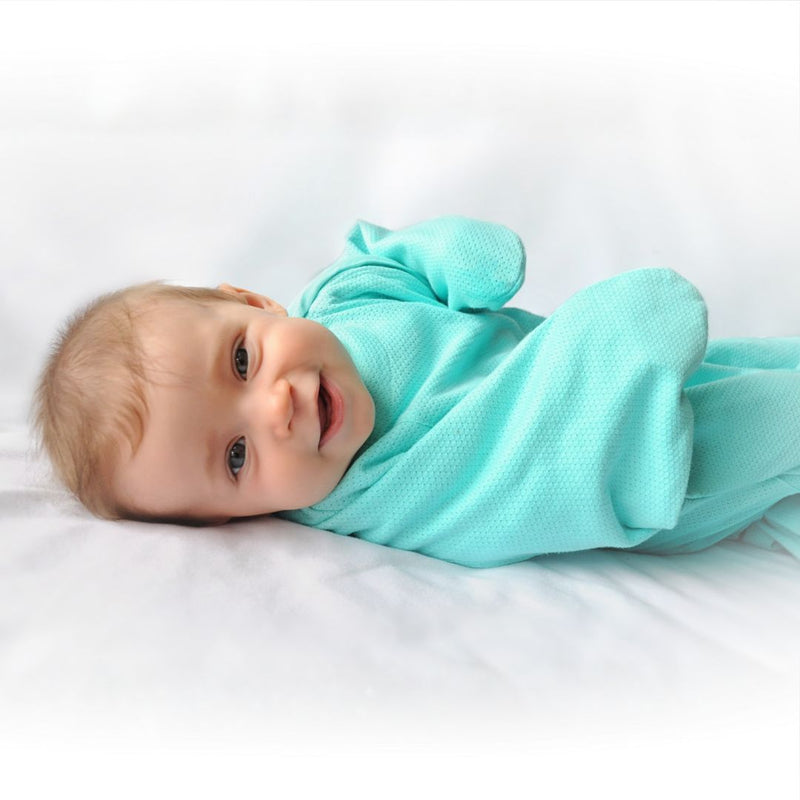
Swaddles are for the "burrito" phase. They wrap tightly around a newborn to dampen the Moro reflex, which is that sudden jerk that makes them feel like they are falling. Once that reflex starts to fade and rolling begins, you move to the "sleeping bag" phase. Standard sleep sacks offer full arms-out freedom, which can be a huge shock to a baby who still feels a bit startly. This is why many parents look for gentle swaddle transitioning options. A transitional sack, like our Sleepy Hugs, acts as a bridge. It gives your bub enough room to move and roll safely while still providing that "edge-to-edge" security that helps them feel held. Mastering how to use a sleep sack during this middle ground can save you weeks of sleepless nights while keeping your baby safe.
The 'How-to' of Sleep Sacks: Layering, TOG Ratings, and Zipping Up
Putting your baby into a sleep sack shouldn't feel like you are trying to fold a fitted sheet or wrestle a slippery seal. It is actually quite simple once you get the hang of it. Lay the sack open on a flat surface, place your bub inside, and zip it up. Many designs feature a two-way zip, which is a total lifesaver for those bleary-eyed midnight nappy changes. You can keep the top half snug and warm while only unzipping the bottom. Mastering how to use a sleep sack starts with the physical setup. Experts agree that a wearable blanket is a safe and great option for maintaining a secure sleep space. Always perform the "Two-Finger Rule" once zipped. You should be able to fit two fingers comfortably between the sack's neckline and your baby's neck. This ensures it is snug enough to stay put but loose enough for comfort.
In our wild Australian climate, the material of the sack is just as important as the fit. We always recommend 100% organic cotton because it is incredibly breathable. Synthetic fabrics can trap heat, leading to a sweaty, unsettled baby. If you want to organise a better night's sleep, choosing natural fibres is the best place to start. Remember that every bub has a different "internal heater." While charts are helpful, your baby's comfort is the ultimate guide.
Decoding TOG Ratings for the Australian Climate
TOG stands for Thermal Overall Grade. In plain English, it is just a measure of how much warmth the fabric provides. Think of it like the "weight" of your own doona. Because an Aussie summer in Brisbane is worlds away from a winter night in Hobart, you need to match the TOG to the room temperature. Use a 0.5 TOG (and lower) for those sweltering 24 degree nights and move up to a 2.5 TOG when the mercury drops below 18 degrees. When figuring out how to use a sleep sack effectively, don't rely on cold hands or feet to judge if your bub is chilly. Instead, do the "Chest and Neck Check." Feel their chest or the back of their neck; if it feels warm and dry, they are just right.
What Should Bub Wear Underneath?
The golden rule is the "plus one" rule. Your baby generally needs one more layer than what you are wearing to feel comfortable. If you are in a light t-shirt, a short-sleeve bodysuit under the sack is usually perfect. On colder nights, a long-sleeve cotton onesie provides that extra bit of warmth. Never put a beanie or hat on your baby while they are in a sleep sack. Babies regulate their temperature through their heads. A hat can quickly lead to dangerous overheating once they are tucked away in their sack.

Navigating the Swaddle Transition: Using a Sack for 'Arms-Out' Success
The biggest fear for most Aussie parents is that the moment those arms are free, sleep will become a distant memory. We call it the "windmill" effect. You spend weeks getting your bub used to a secure swaddle, only for a rolling milestone to force your hand. If you are wondering how to use a sleep sack without losing your mind, the secret is all in the transition. While some internet forums suggest going "cold turkey" and suffering through a few nights of chaos, there is a much kinder way to master the gentle swaddle transition without the tears.
Traditional methods often involve leaving one arm out of the swaddle for a few nights before freeing both. While this works for some, many babies find the sudden freedom of one arm too distracting, leading to them hitting themselves in the face or scratching their nose. A transitional sack, like our Sleepy Hugs, acts as the perfect middle ground. It provides a sense of enclosure while allowing for full range of movement. Your bub can move their arms to their heart's content, but the clever design ensures the fabric "catches" the movement before it becomes a full-blown wake-up call. Learning how to use a sleep sack as a bridge between the swaddle and a standard bag is the key to maintaining household harmony.
Managing the Startle Reflex (Moro Reflex)
That sudden jerk that wakes your baby up just as you lay them down is the Moro reflex. It is a primitive survival instinct, but it is also a major sleep disruptor for a tired household. You can dive deeper into understanding the Moro reflex in babies to see why it persists. A standard, sleeveless sleep sack often fails during this stage because it doesn't offer any resistance to that startle. A transition sleep sack like the Sleepy Hugs is specifically designed to dampen that reflex, giving your bub the security they crave while keeping them safe as they learn to roll.
Sizing Matters: Avoiding the 'Bunching' Hazard
It is incredibly tempting to buy a size up so your baby can "grow into it," but with sleepwear, this is a serious safety hazard. If a sack is too big, the fabric can bunch up around the face or, in dangerous cases, your baby’s head can slip through the neck opening. To check if the length is right, use the "frog-leg test." Your bub should be able to naturally kick their legs out into a frog-like position without hitting the bottom of the bag. For babies who require extra room, such as those in a harness, we recommend looking for hip-healthy sleepwear that provides the necessary width without compromising the secure fit at the neck and shoulders.
Ready to reclaim your evenings? Explore our transition sleep sacks and find the perfect bridge to better rest for the whole family.
Mastering the Midnight Nappy Change and Common Hiccups
The midnight nappy change is the ultimate test of your parent-stealth. You are operating in full zombie mode, trying to avoid making eye contact with a bub who thinks 2:00 am is the perfect time for a social catch-up. This is where knowing how to use a sleep sack with a two-way zip becomes your greatest superpower. You don't need to undress them completely and risk a total "system reboot" of their sleep. Just zip up from the bottom, swap the nappy while keeping their chest covered and warm, and zip back down. Keep the "sleep cave" vibes going by using a dim nightlight and avoiding any stimulating "baby talk." If your little one seems frustrated, check that their legs have plenty of room to move; a sack that is too tight around the hips can cause unnecessary fussiness.
Troubleshooting: When the Sleep Sack Isn't Working
If your bub seems unsettled, do a quick audit of the situation. Check if they are too hot or too cold using the chest check we discussed earlier. Sometimes, a baby who was previously a dream sleeper starts getting frustrated because they have become an "active sleeper," moving all over the cot like a tiny gymnast. If they are constantly getting their legs caught or seem restricted by the bag's shape, it might be time to check their sizing or their preferred arm position. Some babies love the security of a "hands-in" feel, while others want to explore. For babies who are starting to find their feet and stand up in the cot, transitioning to active toddler sleep gear like a sleep suit with separate legs can provide the freedom they crave while keeping them safe from tripping.
The Bedtime Routine: Using the Sack as a Signal
Consistency is king for healthy infant sleep. Using the sack for every single nap, not just the long night-time stretch, helps reinforce the "sleep signal" in your baby's brain. Make the physical act of zipping them in the very last step of your calming wind-down ritual. You might include a gentle massage, a quiet song, or a story like Koko’s Missing Blankie to build those lovely, positive associations with bedtime. When you master how to use a sleep sack as a predictable part of their day, you are creating a sense of security that helps everyone in the house get a little more rest. It won't happen overnight, but with a bit of patience and the right gear, you will get there.
Reclaiming Your Sleep One Zip at a Time
You've done the hard yards of researching the "why" and the "how" of safe sleep. From spotting those first signs of rolling to decoding TOG ratings for our wild Aussie weather, you now have the tools to keep your bub comfy. Understanding how to use a sleep sack is a massive step toward restoring some sanity to your household. It's about more than just a wearable blanket; it's about creating a predictable routine that tells your baby's brain it's finally time to rest.
We know you're exhausted, but you don't have to navigate this transition alone. Over 100,000 Aussie parents have already found better rest with our designs. Each piece is made from GOTS certified organic cotton for ultimate breathability and was designed by a mum who has been exactly where you are right now. If you're ready to move past the swaddle without the usual midnight drama, we're here to help. Discover the Sleepy Hugs range for a gentler swaddle transition and take the first step toward a more peaceful night. You've got this, and fingers crossed, a proper stretch of sleep is just around the corner.
Frequently Asked Questions
Can my baby wear a sleep sack if they can roll over?
Yes, a sleep sack is actually the safest option once your baby starts to roll. Red Nose Australia guidelines for 2026 state that as soon as a bub shows signs of rolling, they must have their arms free to push themselves up. Unlike a swaddle that pins the arms down, a sack allows for the necessary movement to keep their airway clear. It is the natural next step in learning how to use a sleep sack safely as your little one grows.
What should a baby wear under a sleep sack in Australia?
Use our All Seasons sleep sack when temperatures are between 20 and 24 degrees. A short sleeve cotton bodysuit is usually fine. If the night air feels a bit cooler, you might opt for a long sleeve onesie without legs. Remember the "plus one" rule; your baby generally needs one more layer than you do to feel comfortable. Always do the chest check to ensure they aren't overheating in our unpredictable Aussie climate.
How many sleep sacks do I actually need to buy?
We recommend having three sleep sacks on hand to keep your sanity intact. You will want one on the bub, one in the wash, and one in the cupboard for those inevitable midnight nappy leaks or "poonamis." Having a backup prevents the 3:00 am panic when the only clean sack is still damp on the line. It is a small investment that makes learning how to use a sleep sack much less stressful for tired parents.
Is it safe to use a sleep sack with a swaddle underneath?
No, you should never layer a swaddle underneath a sleep sack as it creates a significant risk of overheating. Combining the two can also restrict your baby's hip movement or cause them to get tangled, which goes against safe sleep standards. If your bub still has a strong startle reflex, look for a transitional sack designed to provide that snug feeling without the dangers of double layering. Safety always comes before a tighter wrap.
How can I check if my baby is too hot or too cold?
It is very common for a baby's hands and arms to feel cool to the touch, but this does not mean they are freezing. Babies regulate their temperature through their core and their head. As long as their chest and back feel warm and dry, they are perfectly fine.
When should I stop using a sleep sack altogether?
Most parents stop using a sleep sack when their toddler moves from a cot to a big kid bed, usually between ages two and three. At this stage, they are coordinated enough to use a regular doona without it becoming a safety hazard. If your little one is already standing or trying to climb out of the cot, you might consider moving to a sleep suit with legs like our Cozy Toddler Suit to give them more stability while keeping them warm.