The Best Hands In and Out Flexible Sleep Sack for Active Babies: A 2026 Buying Guide
Table of Contents
-
The Ninja at 2 AM: Why Your Active Baby is Outgrowing Standard Sleep Sacks
-
Hands In or Hands Out? The Science of a Flexible Sleep Sack Design
-
The Ultimate Buying Guide: Choosing a Sleep Sack for Your Little Acrobat
-
Making the Move: How the Hands In & Out Flexible Sleep Sack Saves Your Sanity
The Ninja at 2 AM: Why Your Active Baby is Outgrowing Standard Sleep Sacks
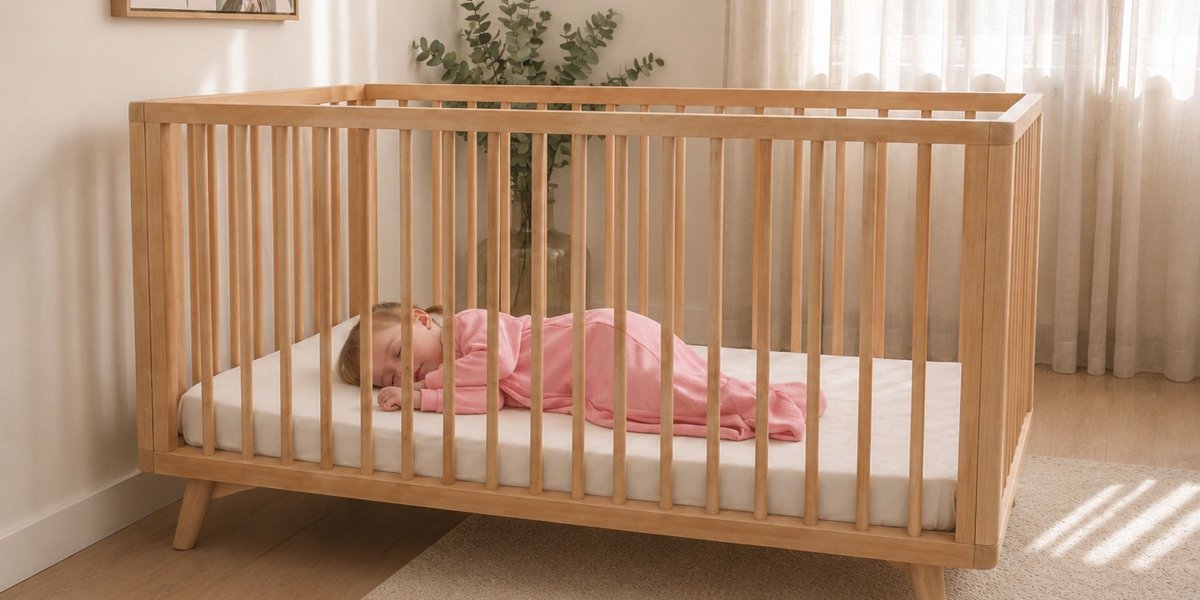
You put them down at one end of the cot, a perfectly positioned little angel. You wake up two hours later to the sound of a thump, and they’re somehow upside down at the other end, legs tangled, and thoroughly unimpressed with their situation. Welcome to the “active sleeper” phase—a nightly display of cot gymnastics that could rival an Olympic floor routine.
This is the stage where your baby has mastered rolling, pivoting, and travelling the length of their cot in their sleep. It’s a brilliant developmental leap, but it can wreak havoc on sleep for the whole household. Standard, restrictive sleep sacks that worked wonders a month ago can suddenly feel like a straitjacket to a baby who wants to push up, reposition, or find their thumb for a bit of self-soothing.
If you’re nodding along with a coffee in hand, know this: you’re not alone. The 2 AM cot acrobatics are a classic sign that your little one’s sleep needs are evolving. They don’t need more restriction; they need a sleep solution that can keep up with their newfound mobility. This is where a flexible, hands-in-and-out sleep sack becomes less of a luxury and more of an essential piece of sleep-saving gear.
The "Swaddle Struggle" and the Move to Freedom
You’ve likely already conquered the first great sleep transition: moving out of the swaddle. Once your baby showed those first signs of rolling, you did exactly what safe sleep guidelines from Red Nose Australia recommend and freed their arms. This is a non-negotiable safety step, ensuring they can push themselves up and reposition their head if they roll onto their tummy.
But while freeing the arms solves a major safety issue, it can introduce a new set of challenges. Some babies, even after the initial transition, still crave the enclosed, secure feeling they’re used to. Their startle reflex might be gone, but the deep-seated need for comfort remains. A standard sleep sack offers warmth, but it doesn’t quite address the sensory needs of a baby who used to be snugly wrapped. This is particularly true for older babies who are now expert rollers and movers.
Signs Your Little One is an "Active Sleeper"
Not sure if you’ve officially got a cot ninja on your hands? Here are the tell-tale signs that you’re parenting a very active sleeper:
-
The Cot Traveller: You consistently find your baby in a completely different position or location from where you placed them.
-
The Blanket Kicker: Any attempt at using a blanket is futile; it’s kicked off within minutes, leaving you to worry if they’re cold.
-
The Frustrated Wriggler: They wake up crying not because they’re hungry, but because their legs are tangled or they can’t get into a comfortable position inside a narrow sleep sack.
In short, an active sleeper is a baby who uses movement to seek comfort, regulate their temperature, or self-soothe back to sleep.
Hands In or Hands Out? The Science of a Flexible Sleep Sack Design
For an active baby who is well past the swaddling stage, the debate isn't just about safety—it's about comfort and development. A truly effective sleep sack for an active baby needs to be a chameleon, adapting to their needs from one moment to the next. This is where the flexible hands-in-and-out design comes in.
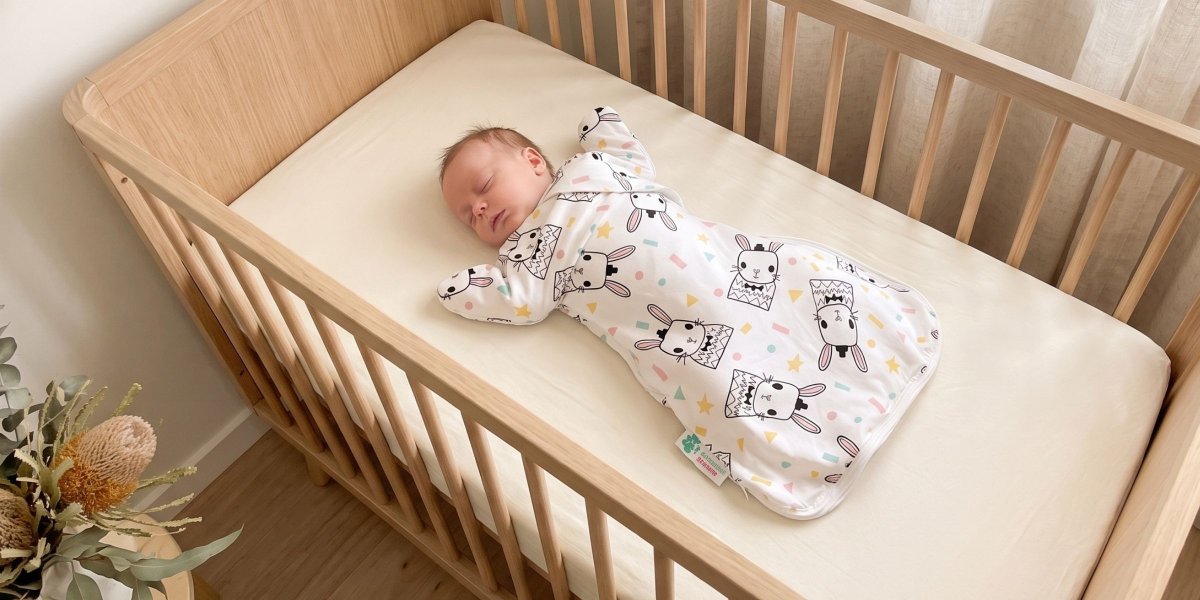
The core of this design is simple but brilliant: fold-over cuffs. These allow your baby to sleep with their hands fully enclosed for warmth and security, or with their hands out for self-soothing and freedom of movement.
-
The Benefit of "Hands In": For many babies, even at 6+ months, having their hands covered provides a comforting, enclosed feeling that mimics the womb or a swaddle. It can reduce sensory input and keep little hands warm on cool nights, helping them settle more easily into a deep sleep.
-
The Benefit of "Hands Out": As babies get older, their hands become crucial tools for self-soothing. They might suck on their fingers or thumb to calm themselves down between sleep cycles. Having hands free is also essential for pushing up and exploring their environment safely as they become more mobile in the cot.
The "flexible" advantage means you don't have to choose. You get one clever sleep sack that manages their changing preferences, often within the same night, without you needing to buy multiple products.
The Developmental Milestone: When to Let the Hands Free
The beauty of a flexible design is that it lets your baby lead the way. It’s the perfect tool for navigating the sleep preferences of an older, mobile infant who has already mastered rolling.
-
Test and Learn: You can experiment with different configurations. Try one arm out and one arm in to see what they prefer. This gentle approach helps you figure out their unique soothing style without the "all or nothing" shock of going straight to arms-out if they aren't quite ready.
-
Night and Day Differences: Many parents find their baby settles best with "hands in" at the beginning of the night but starts wriggling for more freedom in the early morning hours. With fold-over cuffs, you can quietly free their hands during a late-night check-in without disturbing them.
This stage is all about honouring their developmental needs. For a deeper dive into making these transitions feel gentle and intuitive, you can explore guides on gentle swaddle transitioning, applying the same principles to this next phase of sleep independence.
Self-Soothing: The Key to Longer Sleep Stretches
The holy grail of infant sleep is self-soothing—the ability for a baby to settle themselves back to sleep without a "parent intervention." Giving an active baby access to their hands is one of the most powerful ways to encourage this skill.
-
No More Human Dummies: When a baby can find their own thumb or fingers, they have a built-in tool to calm down when they stir between sleep cycles. This means they are less likely to call out for you to help them get back to sleep.
-
Cognitive and Motor Skill Development: The hand-to-mouth transition is a fundamental part of a baby's cognitive development. It helps them learn about their body and is a precursor to feeding themselves. A flexible sleep sack supports this natural exploration.
-
The "Munch-Proof" Material: If your baby is going to be chewing on their hands and sleeves, the fabric needs to be safe. This is why GOTS-certified organic cotton is so essential. It’s pure, breathable, and free from nasty chemicals, giving you peace of mind when their sleep sack inevitably ends up in their mouth.

The Ultimate Buying Guide: Choosing a Sleep Sack for Your Little Acrobat
When you’re shopping for a sleep sack for an active baby, a few key features separate the good from the truly great. Here’s what to look for to ensure your little one is safe, comfortable, and ready for a night of (mostly) uninterrupted sleep.
-
Fabric Matters: In Australia, breathability is everything. GOTS-certified organic cotton is the gold standard. It’s incredibly soft, gentle on sensitive or eczema-prone skin, and far more breathable than synthetic blends like polyester or fleece, which can trap heat and lead to overheating.
-
Understanding TOG Ratings: The TOG (Thermal Overall Grade) rating tells you how warm the sleep sack is. For Australian parents, having a range is key. A lightweight 0.4 TOG is perfect for hot summer nights, while a cosier 2.5 TOG is ideal for chilly winter bedrooms. Then there is a 0.7 or 1.0 TOG which works really well for the Spring and Autumn trans seasons. Always dress your baby in layers underneath according to the room temperature, not the season outside.
-
The "Hip-Healthy" Check: This is non-negotiable. A sleep sack must have a wide, bell-shaped bottom that allows your baby’s legs to fall into a natural "frog" position. This is crucial for healthy hip development and has been recognised by the International Hip Dysplasia Institute .
-
Zips and Poppers: A two-way zip is a game-changer. It allows you to perform a nappy change in the middle of the night without having to fully undress your baby, keeping them warm and sleepy. It turns a potential Olympic sport into a quick, fuss-free pit stop.
Sizing and Fit for the "Travelling" Baby
Fit is a critical safety component. The neck hole should be snug enough that it can’t ride up over your baby’s mouth or nose, but not so tight that it’s uncomfortable. At the same time, there needs to be plenty of room for their legs to kick and move freely. Be wary of sacks that are excessively long; while "room to grow" seems economical, a sack that is too long can become a tripping hazard once your baby starts pulling up to stand in the cot.
As they grow, you’ll find their needs change again. For older, more mobile babies and toddlers, look for sleep sacks designed for this next phase, like the Stage 3 Growth & Discovery collection, which accommodates their increased movement.
The Australian Parent’s Checklist
When in doubt, run through this quick checklist:
-
Is it made from breathable, natural fibres like organic cotton?
-
Does it allow for both a "hands in" and "hands out" configuration to adapt to my baby's needs?
-
Does it have a hip-healthy design that allows the legs to fall into a natural "frog" position?
-
Is the TOG rating appropriate for my home's climate?
-
Does it feature a two-way zip for sanity-saving nappy changes?
Making the Move: How the Hands In & Out Flexible Sleep Sack Saves Your Sanity
For parents of these little cot acrobats, the Baby Loves Sleep **Hands In & Out Flexible Sleep Sack ** is the multi-stage tool designed to bring peace back to your nights. It’s engineered specifically for this active, post-swaddle phase, giving you the adaptability you need to support your baby's sleep.
Here’s how to use it to manage their sleep smoothly:
-
Start with Hands In: When you first put your baby down, you might choose to keep the cuffs folded over. This provides that initial sense of security and warmth, helping to signal that it's time for sleep.
-
Observe and Adapt: If you find your baby waking up frustrated or trying to wriggle their hands free, simply unfold one or both cuffs. This gives them the freedom to self-soothe or reposition without a full wake-up.
-
Cue the Brain for Sleep: The simple act of zipping up the sack every night becomes a powerful sleep cue. Even for active toddlers, this consistent ritual signals that sleep is coming, helping to reduce bedtime resistance and create a predictable routine.
Remember, you're not doing anything wrong just because your baby is a ninja; you just need the right solution designed for their specific developmental stage. It's about working with their mobility, not against it.
From Cot to Toddler Bed: A Long-Term Solution
The value of a flexible sleep sack extends far beyond the cot. As your baby moves into the active toddler sleep phase, this sack continues to support them. The "hands out" option is perfect for older babies and toddlers who want to hold a special comforter or a beloved Bunny Hugs doll for extra security. Investing in a milestone-based wardrobe rather than a purely size-based one means you get more use out of each piece, as it’s designed to adapt to your child’s changing developmental needs.
The Bedtime Routine: More Than Just a Sack
A great sleep sack is a powerful tool, but it works best as part of a consistent, calming bedtime routine. Pairing the zip-up ritual with a gentle story, like the sweet tale of Koko’s Missing Blankie, can create a beautiful and predictable end to the day. This consistency is what helps your active little one understand it's time to wind down their body and mind for a restorative night's sleep.
Ready to reclaim your sleep and give your little acrobat the comfort and freedom they need? Shop the Hands In & Out Flexible Sleep Sack collection here.
Frequently Asked Questions (FAQs)
Is a sleep sack safe for a baby who can roll over?
Yes, not only is it safe, but it is the only safe alternative to swaddling once a baby shows signs of rolling. According to Red Nose Australia, it's crucial to stop swaddling as soon as your baby starts to show they are learning to roll. A sleep sack allows their arms to be free, which is essential for them to be able to push up and move their head to the side if they roll onto their stomach. Always ensure the sleep sack is the correct size, with a fitted neck and armholes, to prevent it from covering your baby's face.
What is the best TOG rating for a sleep sack in Australia?
This depends entirely on the temperature of the room where your baby sleeps, not the season outside. A good rule of thumb is:
-
24°C or more: 0.2 - 0.5 TOG
-
20-24°C: 1.0 TOG
-
16-20°C: 2.5 TOG
Always check on your baby by feeling their chest or back to ensure they are not too hot or too cold. Their hands and feet may feel cool, which is normal.
Can my baby wear a sleep sack if they are a very active sleeper?
Absolutely. In fact, a sleep sack is the ideal solution for an active sleeper. It acts as a wearable blanket that can't be kicked off, ensuring they stay at a consistent, safe temperature all night long, no matter how much they travel around the cot. Look for a sack with a wide, hip-healthy design to give their legs plenty of room to move.
How do I transition my baby from "hands in" to "hands out" without losing sleep?
A flexible sleep sack with fold-over cuffs makes this transition gentle. Start by freeing one hand for a few nights to let your baby get used to the sensation. Once they are comfortable with one hand out, you can free the other. Some babies adapt in a night or two, while others might take a week. The key is to be patient and follow your baby's cues.
Are organic cotton sleep sacks better for babies with sensitive skin or eczema?
Yes, GOTS-certified organic cotton is an excellent choice for babies with sensitive skin. It is grown without the use of harsh synthetic pesticides and fertilisers, and it is processed without toxic chemicals. This results in a purer, softer, and more breathable fabric that is less likely to irritate delicate skin.
What should my baby wear under a flexible sleep sack?
This will depend on the TOG rating of the sack and the room temperature. For a 1.0 TOG sack in a ~22°C room, a simple cotton onesie or bodysuit might be sufficient. For a 2.5 TOG sack in a cooler room, you might opt for a long-sleeved onesie and leggings. Avoid dressing your baby in hats or hoods for sleep, as this can lead to overheating.
Article researched and written by Malou Villarreal, Founder Baby Loves Sleep and INPAA Baby Safety Ambassador.